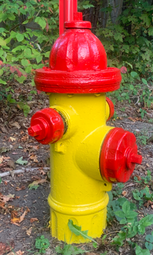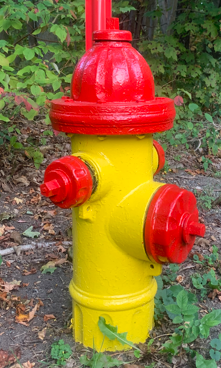
You might have noticed that some of the fire hydrants in our town are getting a fresh coat of paint. The reason behind this change is simple: to improve emergency response and ensure the safety of our community.
Here’s how it works:
1. Adams’ Unique Geography and Water Pressure
Adams is a town with mountainous terrain and varying elevations, which affects our water pressure. This means that the water flow in different areas of town can vary greatly. To manage this, our water distribution system is divided into 7 different pressure zones—each with its own water supply and pressure control systems. We also have 366 fire hydrants spread across more than 50 miles of piping.
2. Why Hydrant Color Matters
In the past, the color of a hydrant indicated the size of the water main it was connected to. But that wasn’t enough to accurately determine how much water could be available in an emergency. Water flow and pressure depend on more than just pipe size—it also depends on elevation and other factors.
3. The Power of Data: Hydraulic Modeling
To improve our fire protection and ensure that we’re always able to provide safe water pressure for residents, we’ve implemented a hydraulic model. This is a digital tool that helps us simulate how water flows through our system, accounting for factors like elevation and pressure zones.
Using this model, we can better understand what each hydrant is capable of delivering, while still making sure that all of our residents receive safe, potable water. This helps protect both the water supply and provides firefighters with accurate, real-time data during emergencies.
4. NFPA Color Code: What It Means for Firefighters
This year, we’re painting hydrant caps and bonnets according to a national standard called the National Fire Protection Association (NFPA) Color Code. This code helps firefighters quickly assess the water flow available at a hydrant, even if they are from out of town. The colors indicate the gallons per minute (GPM) a hydrant can supply, which can be crucial when seconds count.
Hydrant Barrels: Yellow – These are municipal hydrants, visible at night and easy for firefighters to locate.
Private Hydrants: Red – These are privately owned hydrants, typically maintained by private entities.
5. The Bigger Picture: Better Fire Protection for All
Not only does the hydraulic model improve emergency response, but it also helps manage our ISO rating—the rating that impacts homeowners' fire insurance rates. A better ISO rating can lead to lower premiums for homeowners, benefiting everyone in the community.